C&I Energy Storage Systems Comparing Revenue Savings and Resilience Use Cases
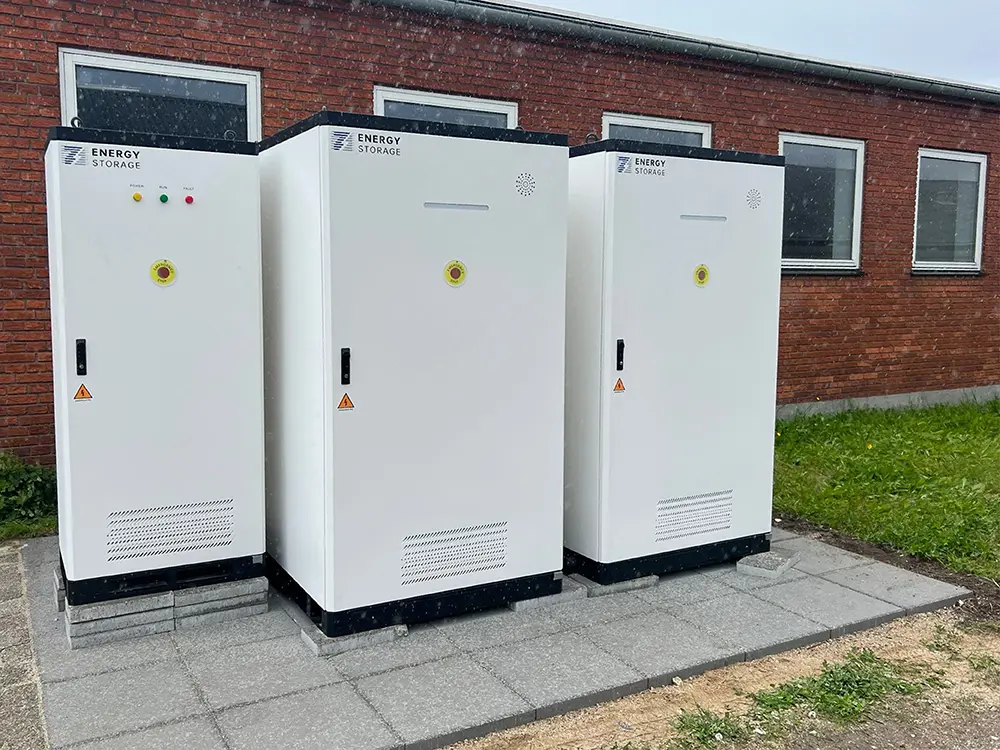
Battery projects are often described with several benefits at once: peak shaving, time of use arbitrage, solar self consumption, backup power and demand response. These benefits can coexist, but they all compete for the same power capacity, stored energy and operating time. A credible business case models that competition explicitly.
Define each use case independently
Peak shaving responds to the maximum billed demand during a defined interval. Energy arbitrage charges and discharges across price periods. Solar self consumption stores generation that would otherwise be exported or curtailed. Demand response follows program rules and event calls. Resilience preserves energy for selected loads during an outage.
For C&I energy storage systems, each use case should have a measurable objective and a data source. The analysis should identify the meter boundary, tariff, baseline and settlement method. Backup value should be connected to critical load, outage duration and business consequences rather than treated as an undefined premium.
Respect shared operating limits
A battery cannot reserve the same kilowatt hour for both a demand response event and an unexpected outage. It also cannot deliver peak shaving power above the converter rating while simultaneously supplying another service. The dispatch model should share state of charge, power, temperature and availability limits across all use cases.
Efficiency, auxiliary consumption, degradation and maintenance should be included. Cycling for one revenue stream may reduce the energy available or warranty headroom for another. Network export limits and utility operating requirements can also constrain dispatch even when the battery itself is available.
Use a transparent dispatch hierarchy
The owner should decide which service has priority during conflicts. A site may protect a minimum resilience reserve, then enforce a grid limit, and only then optimize energy prices. Another site may value demand response more highly. The energy management system should implement this hierarchy and record why dispatch was limited.
Results are most useful when presented as separate benefit lines, a combined dispatch simulation and sensitivity cases. Conservative assumptions for uncertain prices and event participation help prevent double counting. This approach shows not only the theoretical value of storage, but also whether the proposed control strategy can deliver it in everyday operation.
Sources for fact checking
· NREL System Advisor Model Battery Storage
· NREL Analysis of Demand Charge Reduction Using Battery Storage